Can you wear running shoes for walking?
Yes, and often they’re a good pick. What changes between walking and running, what matters in a walking shoe, and the wear trap.
Published Oct 29, 2026

You own a comfortable pair of running shoes and wonder if you can wear them to walk, commute or spend a day sightseeing. The answer is yes, with a couple of nuances.
The short answer
ASICS doesn’t hedge: running shoes can certainly be used for walking, and may even be a better and more durable option than a walking shoe. It makes sense: they’re built to absorb much bigger impacts.
Walking vs running: what really changes
A Swedish study measured the vertical ground reaction force under the feet of 12 men walking and running at different speeds (Nilsson and Thorstensson, 1989). The peak force ranged:
- walking, from about 1 to 1.5 times body weight;
- running, from about 2 to 2.9 times body weight.
So a running shoe is built for a load roughly twice what walking puts on it. For walking, that’s headroom, not a flaw.
The real difference is elsewhere: when you walk, you almost always land on your heel first and then roll through the whole foot. That’s why some features matter more for walking than for running.
What matters for walking
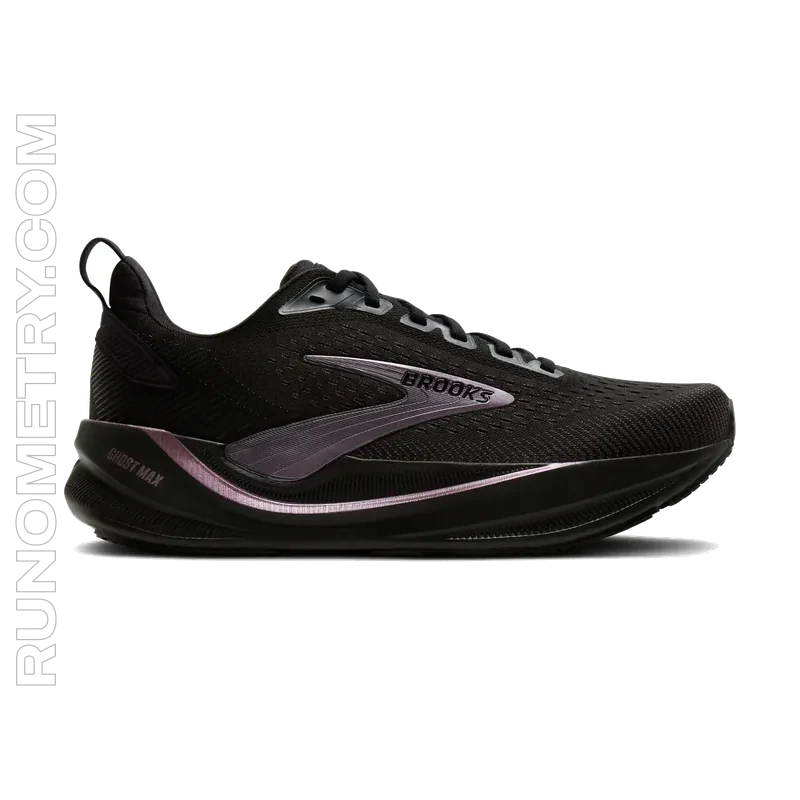
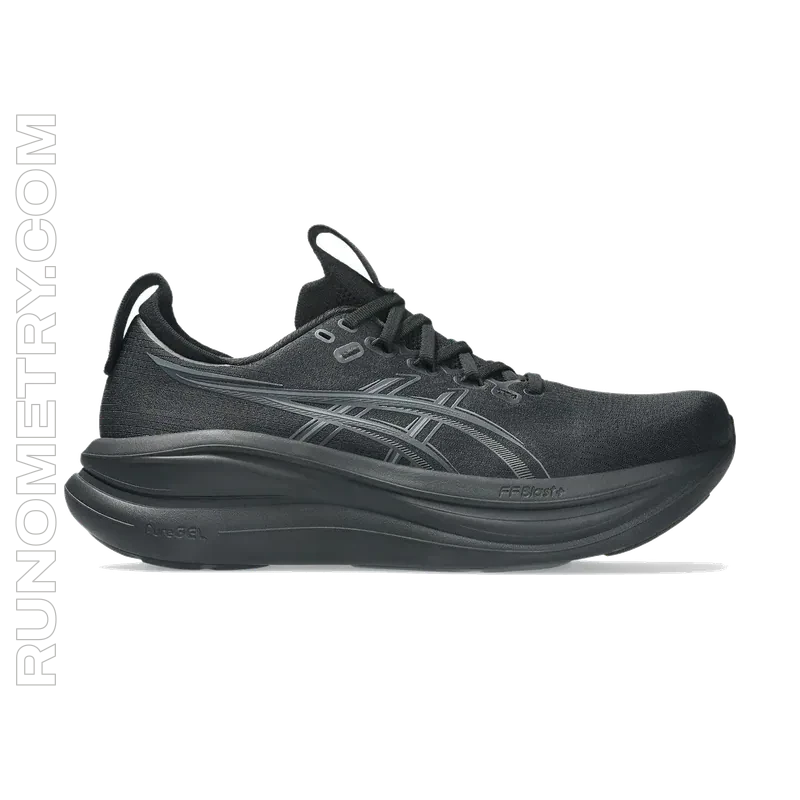
- A well-cushioned, stable heel. It takes every step. Max-cushion and stability shoes are good candidates.
- A medium to high drop (the height difference between heel and forefoot). It helps the heel-to-toe roll. Everything’s explained in our running shoe drop guide.
- An outsole that grips if you leave the pavement: a road-to-trail shoe bridges city streets and easy paths.
- The right fit, as for running: hours of walking forgive a too-small shoe no more than a long run does.
Avoid racing shoes: light, tall and often unstable at low speed. They’re made to go fast, not for a day on your feet.
The catch: wear
Brooks points it out: walking or standing for long periods wears a running shoe unevenly, shortening its life as a running shoe. If you run, keep your running pair for running. An old pair that’s done its time for running can, on the other hand, retire as a walking shoe, as long as it isn’t worn lopsided. To see where yours stands, check the wear signs in our guide on how long running shoes last.
Where to look
- For long walks on hard surfaces: max-cushion running shoes and stability running shoes.
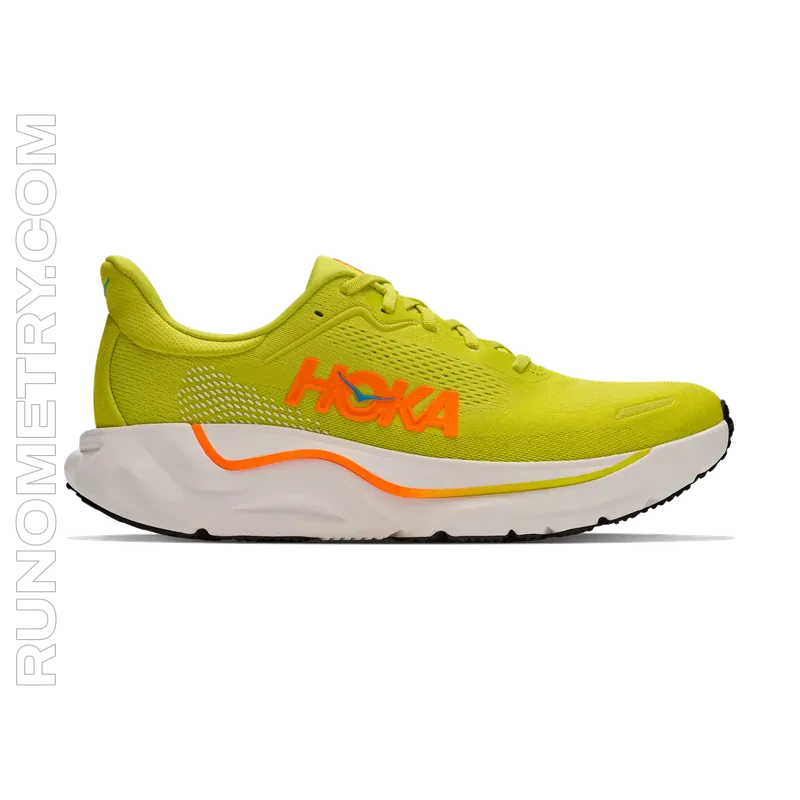
- To mix city and trails: road-to-trail running shoes.
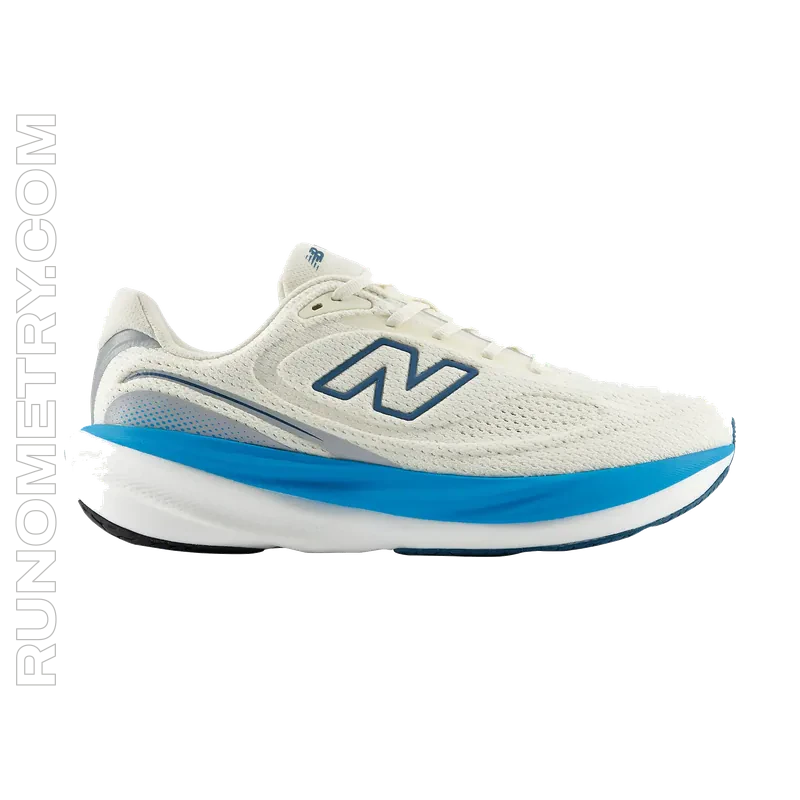
- For a bigger drop: high-drop running shoes.
Each shoe page shows retailers’ prices delivered to you, and you can set a price alert in your size.
Sources
- ASICS, “Can running shoes be used for walking?”.
- Nilsson J., Thorstensson A., “Ground reaction forces at different speeds of human walking and running”, Acta Physiologica Scandinavica 136(2):217-227, 1989, PubMed.
- Brooks, “When to replace your running shoes”.
Questions and answers
Are running shoes good for walking?
Yes. ASICS says running shoes can certainly be used for walking and may even be a better and more durable option. They’re built to handle much higher impact forces than walking produces.
Does walking in running shoes wear them out?
Yes, and often unevenly: Brooks points out that walking or standing for long periods wears a running shoe irregularly. If you also run, keep one pair for running and another for everything else.
What should I look for in running shoes for walking?
A stable shoe with good heel cushioning and a medium to high drop suits most walkers. Racing shoes, light and unstable at low speed, are a poor choice for walking.
Can I use trail running shoes for hiking?
For a day hike on trails, often yes: they grip and protect better than a road shoe. For a heavy pack or very rough ground, a hiking boot gives more ankle support.