How long do running shoes last? Miles, wear signs and what studies say
300 miles, 500? What brands and studies actually say, the wear signs worth checking, and why race-shoe foams lose their edge sooner.
Published Oct 27, 2026
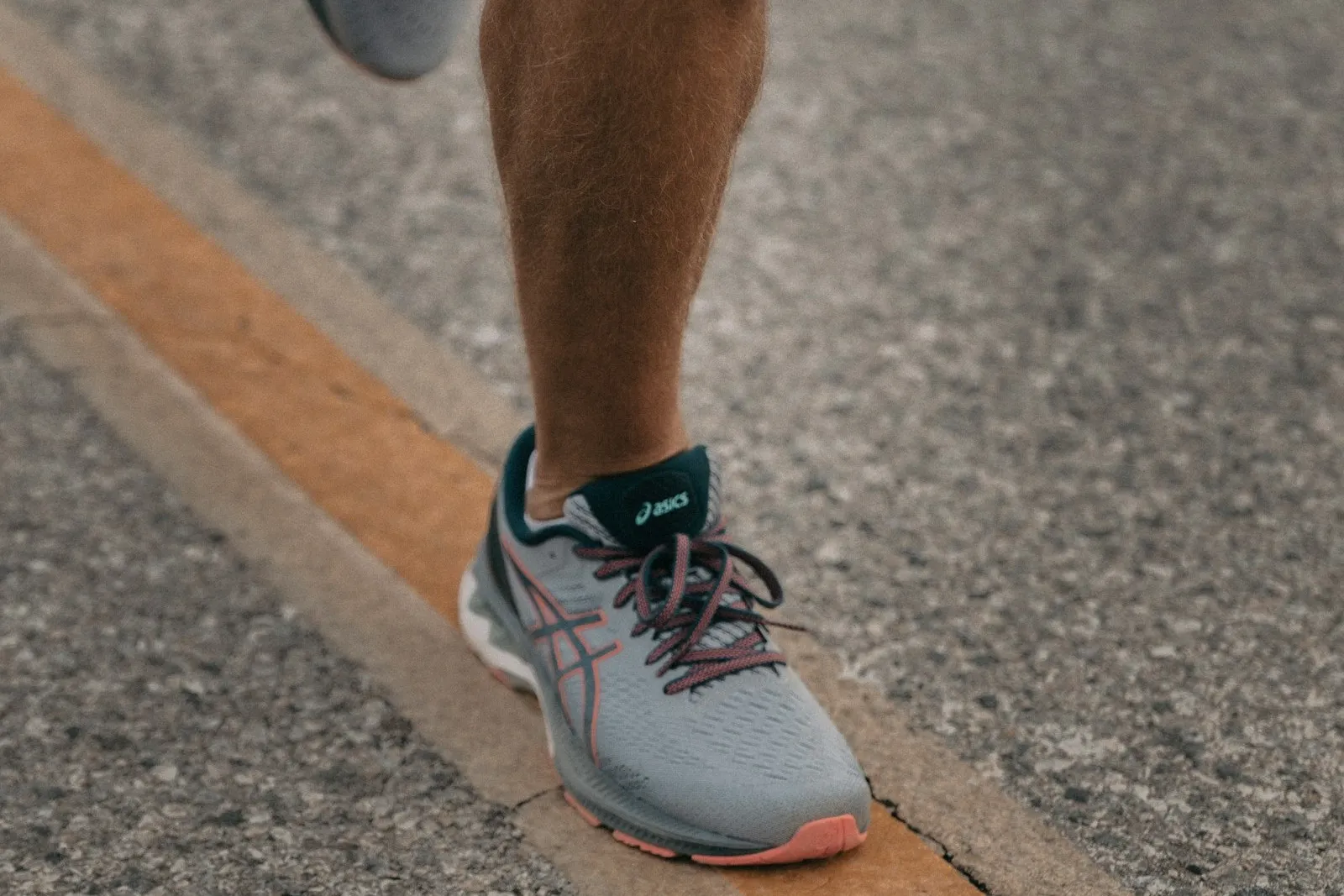
Your favourite pair still looks fresh, but your legs have started complaining. Before you blame your training plan, look at your shoes: tired foam doesn’t always show.
The short answer
Brands publish ranges, and they don’t all agree, sometimes not even with themselves from one country to the next:
| Brand | Published guide |
|---|---|
| Brooks (US site) | 300 to 500 miles, or three to six months |
| Hoka, On | 300 to 500 miles |
| Salomon | 300 to 500 miles (500 to 800 km), about four to six months |
| ASICS (UK site) | 400 to 500 miles |
So think in a range, not a number: around 300 to 500 miles for a daily trainer. New Balance doesn’t give a figure at all and points out that body weight and surface change everything. That’s the most honest answer of the lot.
Why one number doesn’t work
Two runners who put 400 miles on the same shoe don’t wear it the same way:
- Body weight: more load on every stride, more work for the foam.
- Surface: pavement eats the outsole rubber; trails are harder on the upper and sides.
- Stride: a heavy heel strike or a foot that rolls inward wears one side of the shoe.
- Foam: they don’t all age at the same rate (more below).
- Off-run use: walking or standing all day in your running shoes wears them too, and often unevenly.
Do race-shoe foams wear out faster?
The painful question when you paid a lot for a carbon-plated pair. A Spanish study had 22 trained runners run at 13 km/h in a PEBA-foam shoe (the foam in most racing shoes) and a classic EVA shoe, new and again after 450 km, about 280 miles (Rodrigo-Carranza et al., 2024). New, the PEBA shoe was more economical. After 450 km, the two shoes were level: the PEBA had lost its edge, the EVA had lost almost nothing.
That doesn’t mean a racing shoe is done at 280 miles. It means the part that made it faster fades before the rest. More in our running shoe foam guide and our guide to carbon-plated shoes.
Wear signs to check
Put your shoes on a table, at eye level:
- Outsole: the rubber is smooth at the contact points, or worn through to the foam.
- Midsole: deep creases on the sides, or one side clearly more compressed (the shoe leans when it sits flat).
- Heel: the heel counter at the back has collapsed, or the lining is torn.
- Feel: the cushioning feels harsher, or unusual aches show up after easy runs with nothing else changed.
One sign alone isn’t always enough. Two or three together, plus mileage inside the range: that’s your cue.
Track your miles without thinking about it
Strava and Garmin Connect let you assign a pair to your runs and add up the miles for you. Set a reminder at the low end of your brand’s range: it isn’t the moment to replace, it’s the moment to run the check above.
Make a pair last
- Rotate two pairs if you run often: each one works less, and rotating has other benefits (more on that in an upcoming guide).
- Keep them for running. Walking and long hours standing wear the foam unevenly.
- Air-dry them, never on a radiator: direct heat damages glues and foams.
When it’s time
You don’t need to wait for a hole in the sole to start comparing. If your model suits you, look at its new version: each shoe page shows retailers’ prices delivered to you, and you can set an alert to hear when the price drops in your size. This year’s daily trainers are all in our daily running shoes selection, and the Ghost 18 vs Ghost 17 comparison shows what changes from one generation to the next.
Sources
- Brooks, “When to replace your running shoes”.
- Hoka, “How often should you replace running shoes?”; On, “Training shoes vs running shoes”.
- Salomon, “How many miles should running shoes last?”.
- ASICS UK, “Changing your running shoes: knowing when is the right time”.
- New Balance, care and maintenance.
- Rodrigo-Carranza V. et al., PEBA and EVA shoes new and after 450 km, Scandinavian Journal of Medicine & Science in Sports 34(1):e14526, 2024, PubMed.
Questions and answers
How many miles do running shoes last?
Most brands quote 300 to 500 miles (about 480 to 800 km): Brooks, Hoka, On and Salomon all land there, and ASICS UK says 400 to 500 miles. These are guide marks, not expiry dates: your weight, your stride and the surface matter as much.
How do I know if my running shoes are worn out?
Check the outsole (smooth rubber or worn through to the foam), the midsole (deep creases, one side more compressed than the other), the heel counter (collapsed or torn) and how they feel: cushioning that seems harder, or new aches after easy runs.
Do carbon-plated racing shoes wear out faster?
What we know is mostly about the foam. A 2024 study found that the advantage of a PEBA-foam shoe over an EVA shoe was gone after 450 km (about 280 miles). That doesn’t mean the shoe is dead, but it has lost what made it faster.
Should I replace running shoes at an exact mileage?
No. Mileage is a reminder: as you get near the range, check for wear signs. One pair may go longer, another may give up sooner.