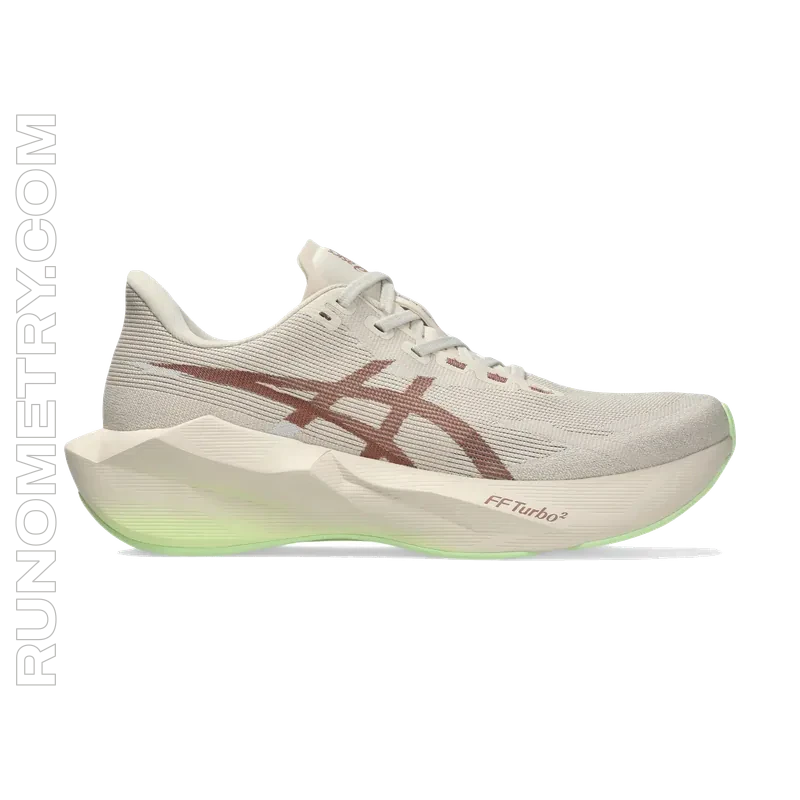
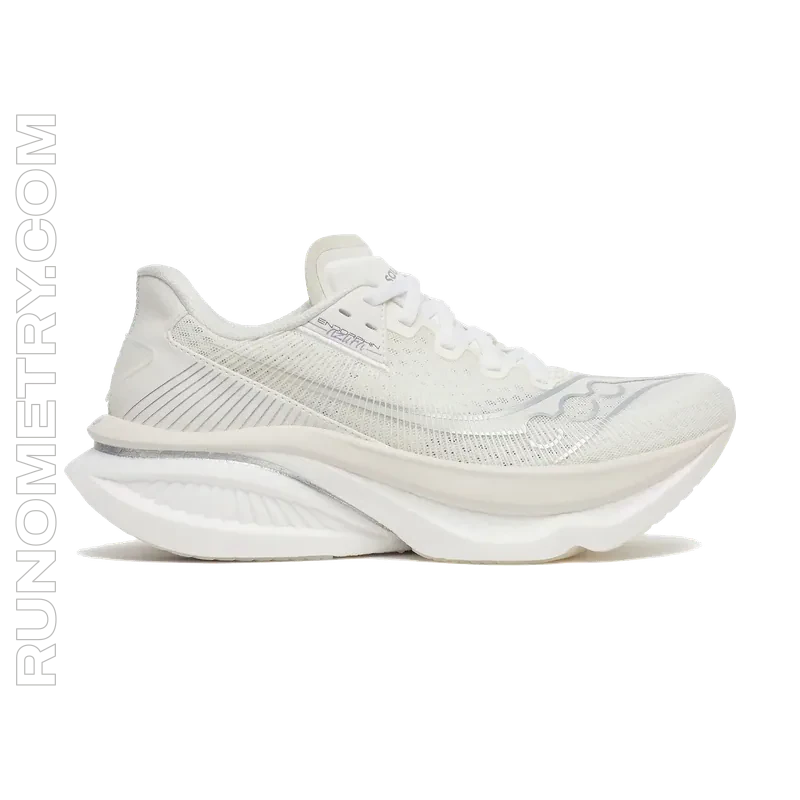
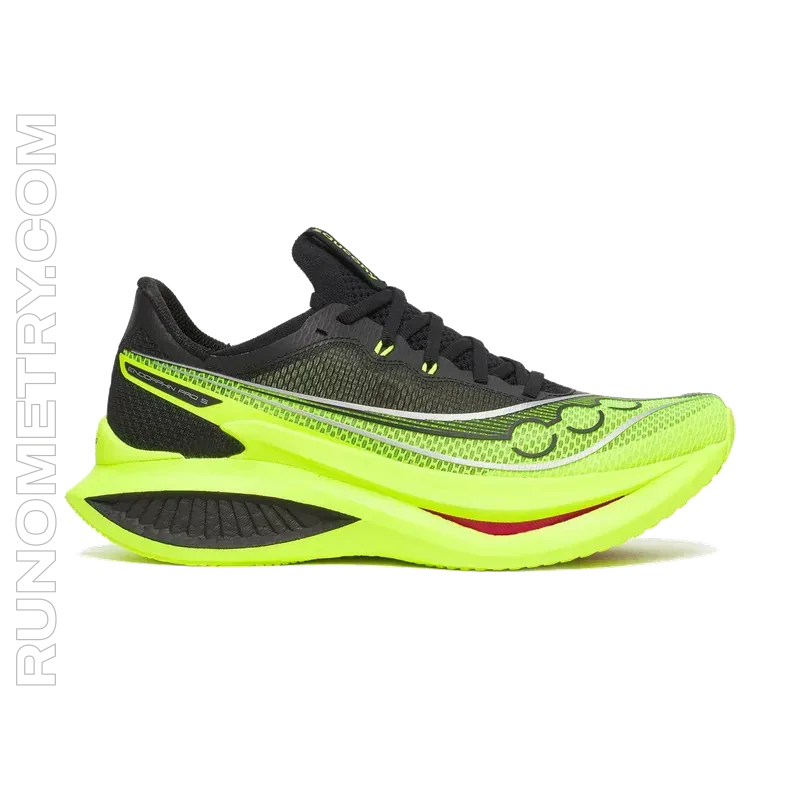
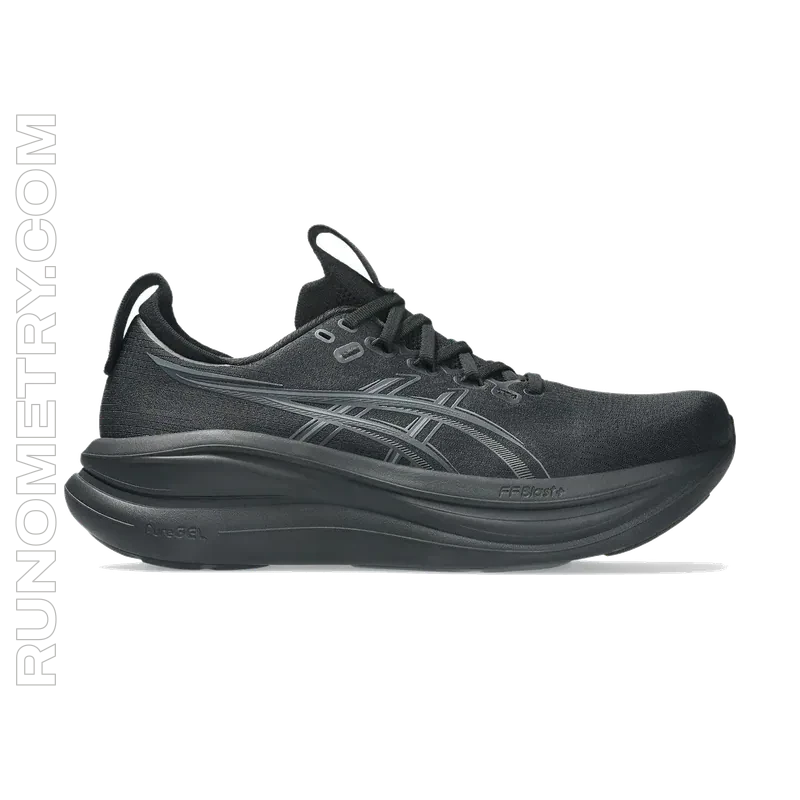
Running shoe rotation: do you need more than one pair?
What the one study on shoe rotation and injuries found, how many pairs fit your mileage, and which job to give each pair.
Published Oct 29, 2026

It comes up on every running forum: “I own three pairs, is that a problem?” Good news: science has the start of an answer, and it leans in your shoe rack’s favour.
The short answer
- One pair is enough to start or to run twice a week.
- Two pairs become useful from three runs a week. Brooks gives the same advice.
- Three pairs or more make sense if you do speed sessions or race, or split your running between road and trail.
What the study found
In 2015, researchers in Luxembourg followed 264 recreational runners for 22 weeks, logging their shoes on every run (Malisoux et al., 2015). Those who used several pairs in parallel had an injury risk about 39% lower than those who always ran in the same pair.
Two caveats before you max out your card:
- It’s an observational study. It shows a link, not a cause. Runners who rotate shoes may have other habits that protect them, such as more varied training.
- It’s a single study of 264 recreational runners: a good clue, not final proof.
The most common explanation: switching shoes slightly varies how your body absorbs each stride, instead of repeating exactly the same stress run after run. It remains to be proven.
A job for each pair
A rotation only helps if the pairs are different. Two of the same model will make your shoes last longer, but it won’t change your stride.
| Job | What for | Where to find them |
|---|---|---|
| Daily miles | most of your mileage, at easy pace | daily running shoes |
| Tempo | intervals, tempo runs, race-pace work | tempo running shoes |
| Race day | races and a few key sessions | racing shoes |
| Recovery | the day after a hard session, heavy legs | recovery running shoes |
| Trail | dirt, mud and hills | trail running shoes |
For a two-pair rotation, the most common combo is a daily trainer for most miles and a tempo or race shoe for fast sessions. Keeping the race pair for the days that count also keeps its foam fresh for longer: race-shoe foams lose their edge sooner (we explain why in our guide on how long running shoes last).
What about the 48-hour rest?
You’ll often read that foam needs 24 to 48 hours to “recover” between runs. It’s plausible, but we found no study that measures it in shoes you can buy. You don’t need that argument to rotate: with two pairs, each does half the miles and lasts twice as long in calendar time. You don’t buy more shoes overall, you buy them at a different pace.
How to build yours
- Start from your current pair. It becomes your daily trainer if it suits you.
- Add the pair that does what the first one doesn’t. Lighter if you do speed work, more cushioned if long runs leave your legs wrecked.
- Compare before you buy. Our comparison tool puts two models side by side, number by number (weight, drop, stack height), with prices delivered to you.
- Track each pair’s miles in Strava or Garmin Connect, so you know which one to replace first.
Sources
- Malisoux L. et al., “Can parallel use of different running shoes decrease running-related injury risk?”, Scandinavian Journal of Medicine & Science in Sports 25(1):110-115, 2015, PubMed.
- Brooks, “Why you should rotate running shoes”.
Questions and answers
How many pairs of running shoes should I have?
One is enough to start or for two runs a week. From three runs a week, a second pair becomes useful. A third makes sense if you do speed sessions or race.
Does rotating running shoes reduce injury risk?
A study from Luxembourg that followed 264 runners for 22 weeks found an injury risk about 39% lower in those who used several pairs in parallel. It’s an observational study: it shows a link, not a cause.
Do running shoes need 48 hours to recover between runs?
It’s widely repeated, but we found no study that measures foam recovery in shoes you can buy. Rotating has other good reasons: each pair wears more slowly, and your stride gets a little variety.
What should my second pair of running shoes be?
Something different from the first, or rotating loses its point: lighter and snappier for speed work, or more cushioned for long runs and recovery days.