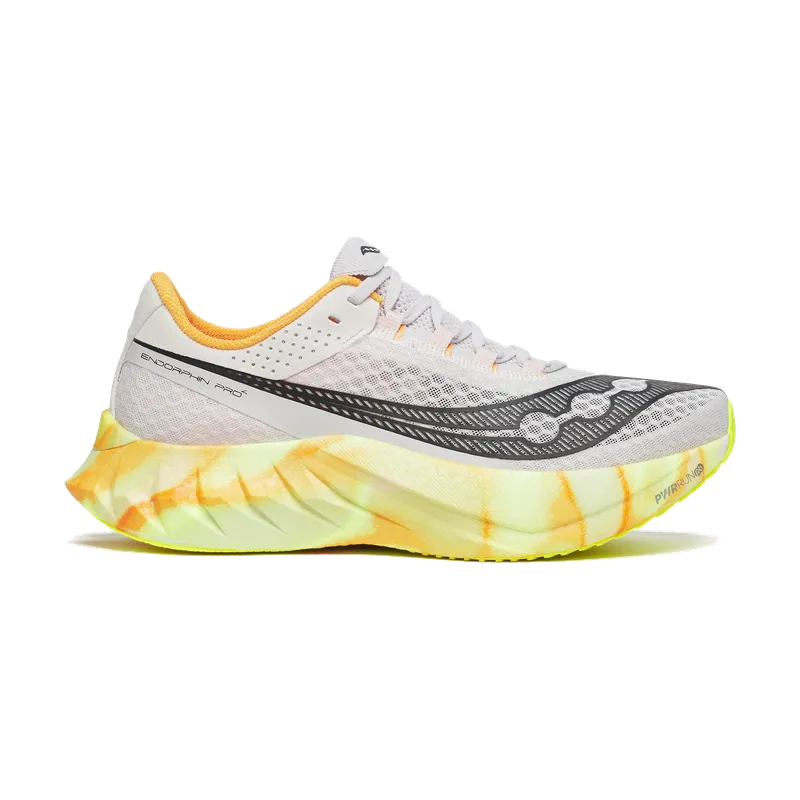
Carbon plated shoes, explained
What a carbon plate actually does, who benefits from super shoes, and when a plateless trainer is the better choice.
Published Sep 20, 2026
"Super shoes" changed road racing. But the plate is only one part of the recipe.
What makes a super shoe
A modern racing shoe combines three things:
- A very resilient foam (PEBA-based or similar) that returns a large share of the energy you put into it.
- A tall stack, which gives that foam room to work.
- A stiff plate or rods, usually carbon, which stabilises the tall foam and helps the shoe roll forward.
The foam does most of the work. The plate mainly makes such a tall, soft midsole usable at speed.
Who benefits
The gains are largest for runners racing at a good pace, from 10K to the marathon. At slower paces the benefit shrinks and the reduced stability matters more.
Trade-offs
- Durability: racing foams wear out faster.
- Stability: tall, soft and narrow shoes are less stable in corners and when tired.
- Price: they are the most expensive shoes in the catalogue.
Alternatives
A plated or plateless tempo shoe gives you some of the same feel for training, with better durability and stability. Keep the racing shoes for race day.